
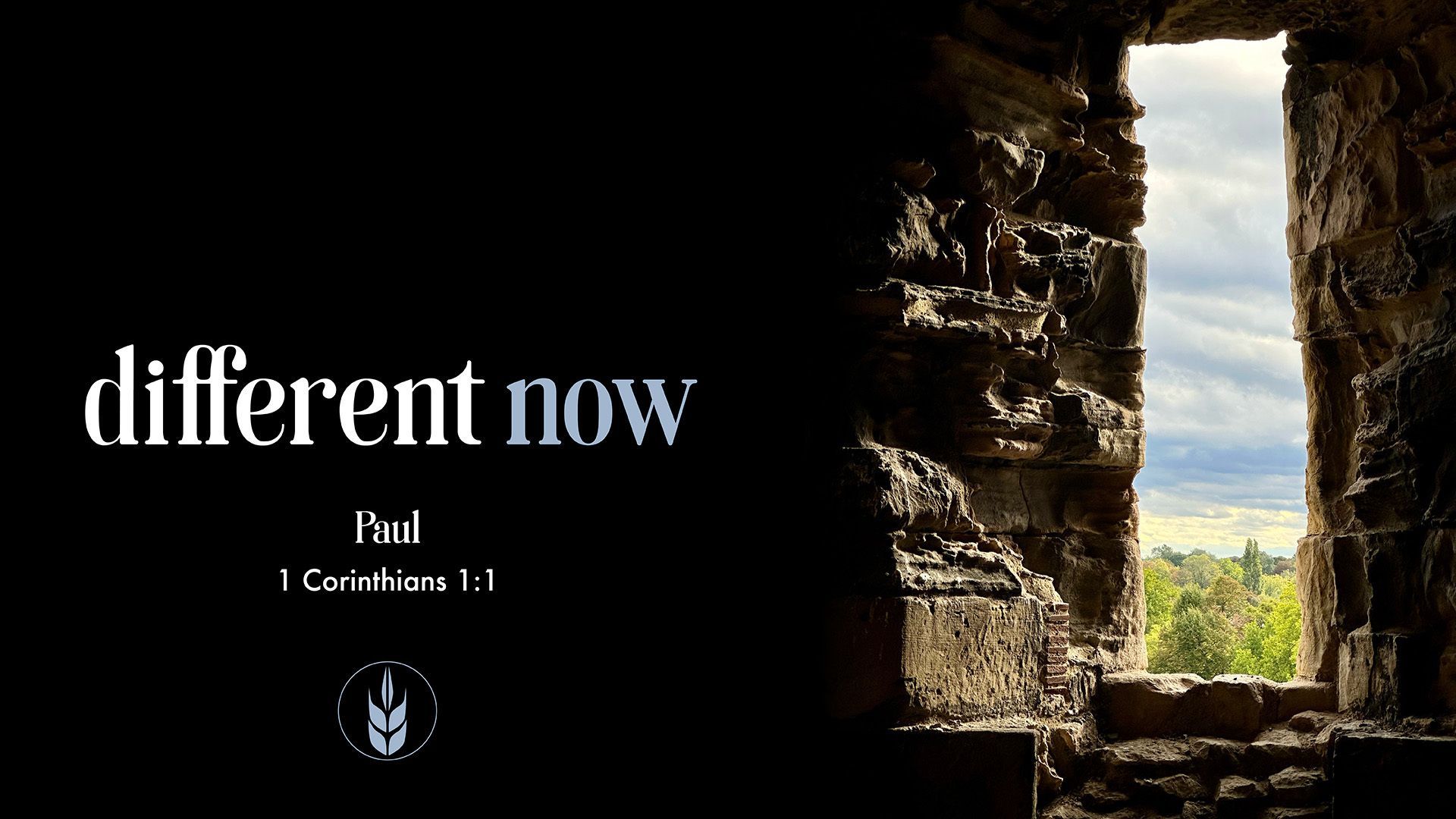

The Journey of Transformation: From Conversion to Calling
There's something profoundly hopeful about second chances. Even more so when those second chances come to people who seem least likely to receive them. The story of the Apostle Paul stands as one of history's most dramatic examples of radical transformation—a journey that began with violence and ended with world-changing influence.
When Everything Changes
Picture this: a brilliant, educated religious leader so convinced of his righteousness that he systematically hunts down followers of Jesus. He doesn't just disagree with them; he seeks to destroy them. He oversees executions, drags men and women from their homes, and throws them into prison. This man, known as Saul, believed he was serving God through these terrible acts.
Then came the encounter that changed everything.
On the road to Damascus, blinded by a light from heaven, Saul heard a voice: "Why do you persecute me?" In that moment, his entire worldview shattered and reassembled. The Jesus he had been fighting against was the very Messiah he claimed to be waiting for. Everything he thought he knew was turned upside down—or perhaps, right side up for the first time.
What Conversion Really Means
We often think of conversion as a moment of arrival, the finish line of a spiritual race. But conversion is better understood as receiving a compass for the journey ahead. It's not about suddenly having everything figured out or becoming perfect overnight. It's about a fundamental shift in allegiance, a transfer of kingdoms, coming under new management.
For Saul, conversion meant recognizing Jesus as King and Lord. It meant pledging allegiance to someone he had been actively opposing. It was political, spiritual, moral, and deeply personal all at once. And it happened in an instant—yet the implications would unfold over decades.
This is encouraging for all of us. Conversion isn't about cleaning ourselves up first or getting our act together before we approach God. It's about surrendering to the One who meets us exactly where we are, just as Jesus met Saul on that dusty road. No matter what we've done, no matter where we've been, the invitation remains: come under the authority of the King who offers forgiveness, healing, and a place in His family.
The Long Road to Calling
Here's where Saul's story gets really interesting—and really relatable. At the moment of his conversion, God revealed that Saul (who became known as Paul) was chosen to bring the message of Jesus to Gentiles, their kings, and to the people of Israel. His calling was clear from day one.
But living into that calling? That took time. A lot of time.
After his dramatic conversion, newly-Christian Paul actually caused so much anxiety among other believers that they sent him home to Tarsus. The church then enjoyed "a time of peace." Paul needed to grow, to learn, to be shaped by community. He spent about twelve years in relative obscurity before his ministry truly launched.
This is where many of us find ourselves. We may know we're called to something, but we're not quite sure what or how. We may feel impatient with the process, wondering why God doesn't just reveal everything immediately. Paul's story reminds us that discernment takes time, and that's okay. God's grace covers the journey.
The Power of Community
One of the most striking aspects of Paul's story is how his calling was confirmed and activated through spiritual community. Years after his conversion, while Paul was faithfully serving in the church at Antioch, the Holy Spirit spoke—not just to Paul privately, but to the gathered leaders who were worshiping and fasting together.
"Set apart Barnabas and Saul for the work to which I have called them," the Spirit said. And the community responded by praying, fasting, and sending them out with their blessing.
This pattern runs throughout Scripture: God reveals His calling to individuals through their communities. No healthy Christian functions as an island. We're not meant to be spiritual lone rangers, self-made gurus accountable to no one. We're called to be fully committed, spiritually hungry travelers together, helping each other learn to follow Jesus and discern God's unique calling on our lives.
In our age of social media influencers and self-appointed spiritual authorities, this is a vital reminder. The New Testament knows nothing of Christians who operate outside the authority and accountability of the church. Paul himself, one of the most influential figures in Christian history, remained submitted to spiritual community throughout his ministry.
Many People in This City
When Paul finally arrived in Corinth—a wealthy, power-hungry, sexually liberated city—God spoke to him in a vision: "Don't be afraid. Keep on speaking. Don't be silent. I'm with you, and no one will harm you because I have many people in this city."
What an extraordinary statement. In the midst of a pagan culture that seemed hostile to the gospel, God already had "many people" there. He was at work before Paul arrived, and He would continue working through Paul's faithful presence.
The same is true wherever we find ourselves. God has many people in our cities, our neighborhoods, our workplaces, our schools. He's calling them to Himself all the time. And He invites us to be part of that work—not as isolated individuals, but as sent ones, carrying His goodness into the everyday spaces we inhabit.
Your Response
Paul's journey from persecutor to apostle offers several invitations for reflection:
First, if you've never surrendered to Jesus as King, His invitation stands today. Conversion isn't about perfection; it's about pledging allegiance to the One who loves you and offers you a compass for the journey ahead.
Second, if you've been isolated or peripheral in your faith, consider the invitation into intentional community. God reveals calling through relationships with other believers who know us, pray for us, and help us discern God's voice.
Third, see yourself as sent. You're not randomly placed where you are. God has positioned you uniquely to influence the people around you with your particular voice, personality, and gifts. You're a sent one, carrying the message of the King into your everyday world.
Paul's story reminds us that transformation is possible, that calling unfolds over time, and that we're never meant to journey alone. Whatever your starting point, wherever you are today, the God who met Paul on the Damascus road is still in the business of radical transformation—and He has work for you to do.
Living Out Transformation and Calling
What does conversion really mean in the Christian faith?
Conversion isn’t about becoming perfect or having all the answers—it’s about surrendering your allegiance to Jesus as King. Like Paul, it often starts with an encounter that reorients your whole direction. It’s less a finish line and more a new beginning with a trusted guide. God meets us exactly where we are, not where we think we should be.
Can God still use someone with a broken or painful past?
Paul’s story is a powerful reminder that no past is too dark for God to redeem. God doesn’t wait for us to clean ourselves up before calling us. Instead, He transforms our stories and weaves them into His larger work of healing and restoration. Your past may actually become part of how God helps others.
Why does discovering my calling seem to take so long?
Calling usually unfolds over time, not all at once. Even Paul spent years growing, learning, and waiting before stepping fully into his mission. Those seasons of obscurity are not wasted—they shape our character and deepen our dependence on God. Patience is often part of the calling itself.
How does Christian community help me discern God’s calling?
God often confirms calling through trusted spiritual community, not just private moments. Others can see gifts and growth in us that we might miss ourselves. Community provides encouragement, accountability, and prayer along the journey. We were never meant to follow Jesus alone.
What does it mean to see myself as “sent” in everyday life?
Being sent doesn’t always mean going far—it often means being faithful right where you are. God is already at work in your workplace, neighborhood, and relationships. You’ve been uniquely placed to reflect His love through your presence and actions. Everyday faithfulness matters more than dramatic moments.
Hit play to listen to the sermon this blog is based on
At Harvest Vineyard, we believe we are better together, in community. We're glad you're here.

ENCOUNTER CHRIST.
EXPERIENCE COMMUNITY.
LOVE THE WORLD.
We believe that experiencing the love and mercy of God is more effective in bringing change to people's lives than rules, guilt, and condemnation. We have attempted to make our community a place where people can come as they are and still experience love and mercy. At the same time, we desire to learn and apply the truth of God to our lives and learn how to speak truth to one another.