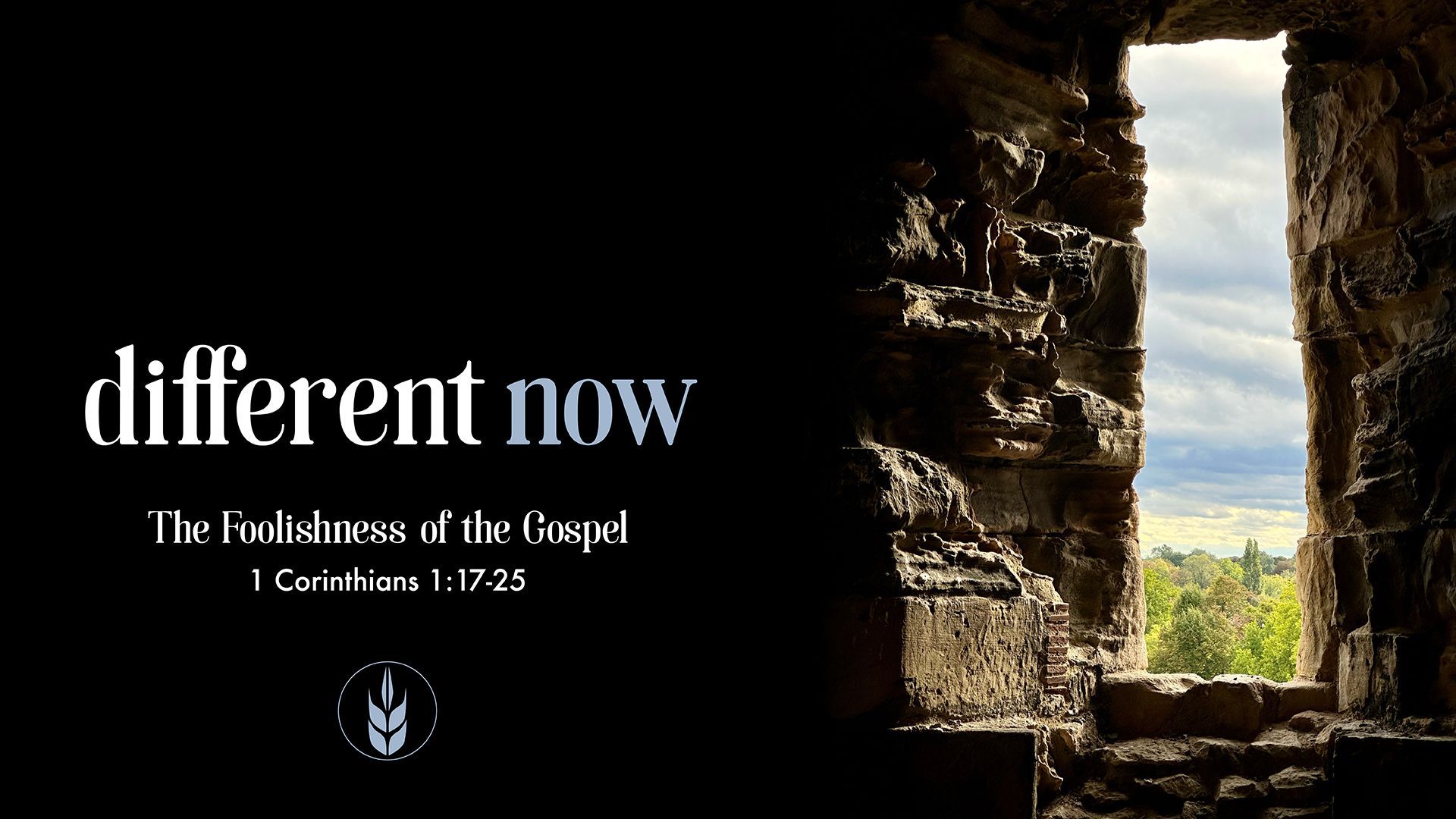
The Paradox of Power: Why the Cross Changes Everything
There's something profoundly counterintuitive about Christianity. In a world that celebrates strength, intelligence, and eloquence, the central symbol of our faith is an ancient execution device. A cross. The very instrument of death has become our source of life, and this paradox reveals everything about how God operates differently from human wisdom.
The message is clear: all the power to save us and transform us resides in the cross of Jesus—not in human wisdom, strength, or eloquence. While there's nothing inherently wrong with God-given intelligence or ability, these pale in comparison to the transformative power of the cross.
When Wisdom Looks Like Foolishness
Imagine hearing about Christianity for the first time in ancient Corinth around 50 AD. You'd be told about a peasant from an eastern province of the Roman Empire—a member of a despised race, executed as a criminal on a Roman cross. But wait, there's more: this executed peasant was actually God himself. He came back to life after being buried. And now, even though he's physically absent, he's the true king over Caesar and every other ruler.
Oh, and one more thing: you're invited to join a community that symbolically eats his flesh and drinks his blood while awaiting his return to establish an eternal kingdom.
How would that sound to you? Absurd? Foolish?
That's precisely the point. The Greek word used in scripture for "foolishness" is moria—the root of our English word "moronic." To those outside the faith, the message of the cross appeared utterly ridiculous.
Yet here we are, two thousand years later, living in a world transformed by that very cross. We wear cross jewelry, display crosses on buildings, and celebrate Christmas and Easter globally. What once seemed like ultimate foolishness has proven to be ultimate wisdom.
The Ongoing Power of Salvation
Here's a beautiful truth often overlooked: salvation isn't just a one-time transaction. Scripture describes believers as those "who are being saved"—present tense, ongoing action. We are saved, we are being saved, and we will be saved.
Think of it like being rescued from drowning. When the lifeboat reaches you in the ocean, you're saved from certain death. As the boat carries you toward shore, you're being saved. When you finally reach the safety of land, you will be saved. It's a journey, not just a moment.
This means Jesus didn't just hand us a "get out of hell free" card and walk away. He initiated an ongoing, daily relationship. He's not done with us yet—he's actively transforming us, day by day, into people who reflect his love.
God's Wisdom Versus Human Wisdom
The prophet Isaiah warned centuries before Christ that God would "destroy the wisdom of the wise" and "frustrate the intelligence of the intelligent." Why? Because God's people had become focused on rule-following and religious performance rather than heartfelt relationship with him.
God doesn't want rule-followers who check boxes and judge others. He wants lovers—people whose hearts are fully surrendered to him. As Jesus taught, we're to love God with all our heart, soul, mind, and strength, and love our neighbors as ourselves. We express our love for God by actually laying down our lives for other people.
This is where God's wisdom clashes most dramatically with worldly wisdom. The world says, "Look out for number one. Accumulate. Control. Protect yourself." God's wisdom says, "Deny yourself. Take up your cross daily. Lose your life to find it."
Consider Peter's experience. When Jesus revealed his identity to Peter, Jesus said, "This was not revealed to you by flesh and blood, but by my Father in heaven." Peter couldn't figure out who Jesus was through human wisdom—God had to reveal it to him.
Yet moments later, when Jesus explained he would go to Jerusalem to be killed, Peter's human wisdom kicked in. "Never, Lord! This shall never happen to you!" Jesus' response was shocking: "Get behind me, Satan. You do not have in mind the concerns of God, but merely human concerns."
Even with the best intentions, our human wisdom falls drastically short of God's wisdom.
The Transforming Power We Actually Need
Here's the uncomfortable truth: we cannot transform ourselves through willpower, intelligence, or self-help strategies. We need the power of the Holy Spirit working through the cross.
Transformation happens when we daily pick up our cross and follow Jesus. But to pick up a cross, we must first open our hands and release what we're clinging to. Money. Control. Comfort. Status. Security. Resentment. Unforgiveness.
What is the Holy Spirit bringing to your mind right now? What are you gripping tightly that he's inviting you to release?
The beauty is that every time we loosen our grip and surrender control to God, he blesses us with something better than we planned for ourselves. His plans exceed our dreams. His wisdom surpasses our best thinking.
A Stumbling Block and Foolishness—Yet Power and Wisdom
The Jews wanted miraculous signs. The Greeks sought wisdom. But the message proclaimed was Christ crucified—a stumbling block to Jews (because their Messiah wasn't supposed to be crushed by Rome) and foolishness to Gentiles (because dying on a cross appeared utterly powerless).
Yet to those who are being saved, Christ is the power of God and the wisdom of God. The foolishness of God is wiser than human wisdom. The weakness of God is stronger than human strength.
This is the paradox we live in. Life is different now because we follow a crucified and risen King. We're called to live cross-shaped lives of self-sacrificial love, which looks like utter foolishness to the world's value system.
But we've encountered the power. We've felt the weight of sin lift. We've experienced freedom, healing, deliverance, and transformation. We've seen marriages restored, addictions broken, and hearts awakened. We know this power is real.
The Invitation
Christ died for sins once for all—the righteous for the unrighteous—to bring us to God. Every one of us knows we're unrighteous. But God wanted to bring us back to himself and include us in his family. In his wisdom, he used the cross to do it.
So we trust not in eloquence or intelligence, but in the power of the cross. We lift high Christ crucified and let Jesus draw people to himself. We live out sacrificial, cross-shaped lives so others can see Jesus at work in us.
Because in the end, it's not about human wisdom or strength. It's about the unstoppable, transforming power of the cross—yesterday, today, and forever.
Living the Paradox of the Cross
Why does Christianity center on the cross instead of strength or success?
At first glance, the cross looks like weakness and defeat. Yet it reveals a different kind of power—self-giving love that overcomes sin and death. God chose what seemed foolish to show that real transformation doesn’t come from human strength, but from surrender. The cross reminds us that true life begins where pride and self-reliance end.
What does it mean that I am “being saved” and not just saved once?
Salvation isn’t only a past moment; it’s an ongoing relationship. God rescues us, walks with us, and continues shaping us day by day. You may not always see dramatic change, but steady transformation is part of his work. He is not finished with you—he is actively forming you into someone who reflects his love.
How do I know when I’m relying on my own wisdom instead of God’s?
Often it shows up as control, self-protection, or the need to be right. Human wisdom says, “Look out for yourself,” while God’s wisdom invites trust and surrender. When we resist humility or avoid sacrifice, we may be leaning on our own understanding. Asking God for clarity and softening our hearts helps us realign with his way.
What does it look like to take up my cross in everyday life?
Taking up your cross isn’t about dramatic gestures; it’s about daily surrender. It may mean forgiving when it’s hard, choosing generosity over comfort, or loving someone who cannot repay you. It requires releasing what you’re gripping tightly—control, status, resentment—and trusting God with the outcome. Over time, these small acts reshape your heart.
Why does the message of the cross still feel foolish to some people today?
Our culture prizes achievement, influence, and independence. A crucified King who calls us to self-denial challenges that value system. The cross confronts our pride and invites us into dependence on God instead. What seems weak on the surface carries a deeper power that transforms lives from the inside out.
Hit play to listen to the sermon this blog is based on
At Harvest Vineyard, we believe we are better together, in community. We're glad you're here.
ENCOUNTER CHRIST.
EXPERIENCE COMMUNITY.
LOVE THE WORLD.
We believe that experiencing the love and mercy of God is more effective in bringing change to people's lives than rules, guilt, and condemnation. We have attempted to make our community a place where people can come as they are and still experience love and mercy. At the same time, we desire to learn and apply the truth of God to our lives and learn how to speak truth to one another.